
Northern Girls Cleaning Services
The Ultimate Deep Cleaning Checklist for Every Room in Your Home
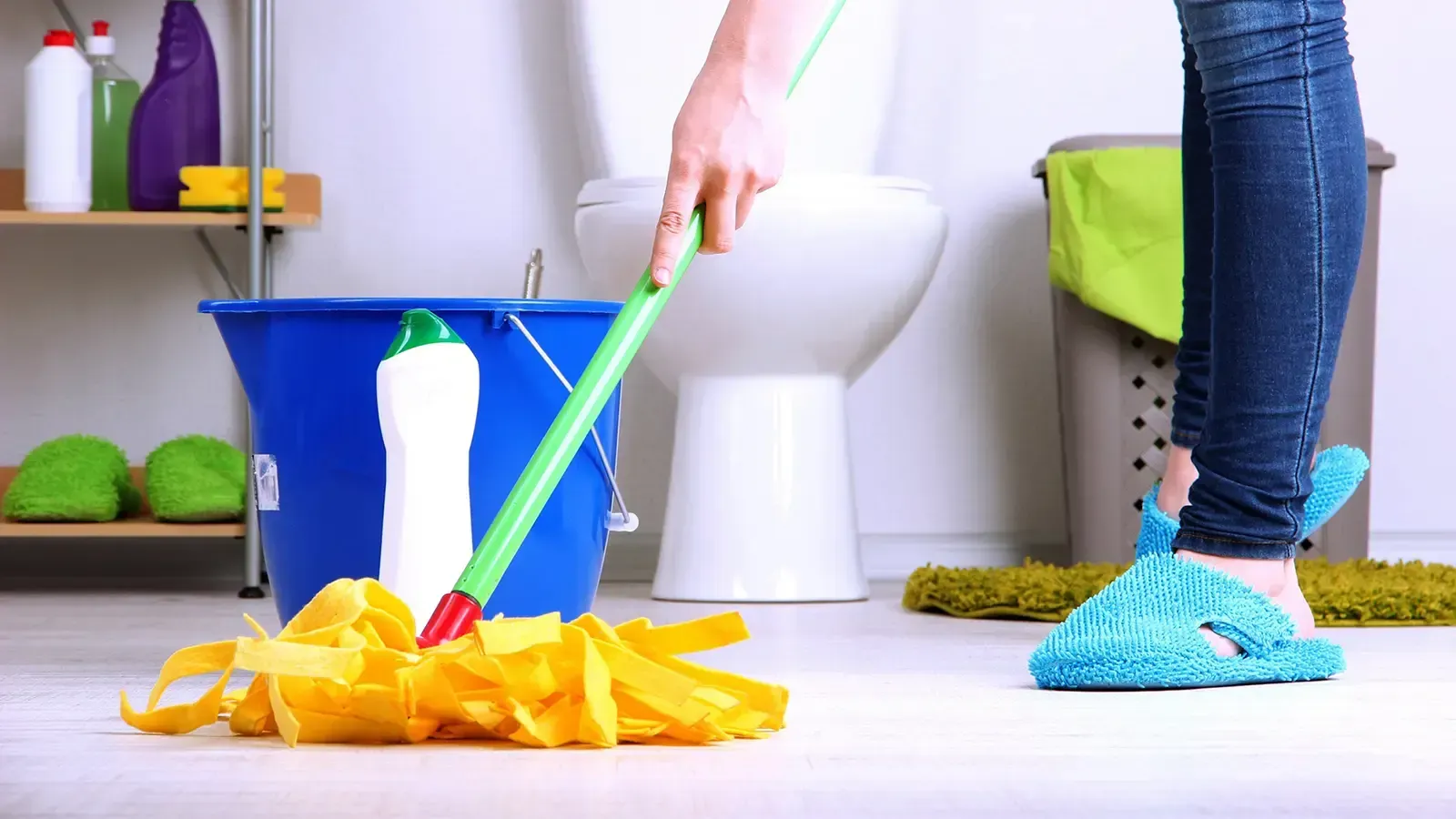
Table of Contents
- Introduction
- Living Room Deep Cleaning Checklist
- Kitchen Deep Cleaning Checklist
- Bathroom Deep Cleaning Checklist
- Bedroom Deep Cleaning Checklist
- Dining Room Deep Cleaning Checklist
- Home Office Deep Cleaning Checklist
- Laundry Room Deep Cleaning Checklist
- How to Make Deep Cleaning More Manageable
- When Should You Hire Professional Deep Cleaning Services?
- Frequently Asked Questions
- Final Takeaways
Key Takeaways
- Deep cleaning involves more than wiping visible surfaces; it gives additional attention to areas that are commonly overlooked during routine cleaning.
- A room-by-room checklist makes a large cleaning project easier to organize.
- Kitchens and bathrooms generally require extra attention because of frequent use and the types of residue that can accumulate there.
- Bedrooms, living rooms, offices, and other spaces benefit from cleaning underneath furniture, around fixtures, and on less frequently cleaned surfaces.
- You don't necessarily need to deep clean your entire home in one day. Breaking the work into rooms or zones can make the process more manageable.
- Professional deep cleaning can be useful when you don't have the time, equipment, or energy to handle a detailed clean yourself.
Introduction
Deep cleaning your home can feel overwhelming when every room seems to have its own list of chores. The easiest way to make the job manageable is to work systematically, moving from room to room and giving extra attention to the surfaces and areas that routine cleaning often overlooks. If you’re considering a more thorough top-to-bottom home cleaning, this checklist can also help you understand what a detailed clean may involve.
Living Room Deep Cleaning Checklist
The living room often receives heavy daily use, but some of its surfaces are easy to overlook during routine cleaning. Start high and work downward so dust and debris that fall during cleaning can be removed from the floor afterward.
Living Room Checklist
- Dust ceiling fans and accessible light fixtures.
- Dust vents and other accessible high surfaces.
- Clean window glass and wipe window sills.
- Dust or clean blinds and other window treatments.
- Vacuum sofas, chairs, and upholstered furniture.
- Pay attention to cushions, seams, and crevices.
- Dust tables, shelves, cabinets, and décor.
- Clean frequently touched surfaces such as light switches and door handles.
- Vacuum underneath accessible furniture.
- Vacuum carpets and rugs thoroughly.
- Mop hard flooring according to the flooring manufacturer's recommendations.
- Remove visible cobwebs from corners and ceilings.
Don't Forget the Areas You Can't Easily See
When deep cleaning a living room, look beyond the center of the room. Areas behind furniture, underneath seating, along baseboards, and around entertainment equipment can collect dust even when the main surfaces look clean.
Kitchen Deep Cleaning Checklist
The kitchen is one of the busiest rooms in most homes, so it can accumulate crumbs, grease, food residue, and other buildup quickly. A deep clean should go beyond wiping the countertops.
Kitchen Checklist
- Clean countertops and backsplash.
- Wipe cabinet doors and handles.
- Clean accessible areas inside cabinets and drawers.
- Clean the outside of major appliances.
- Clean the microwave inside and out.
- Clean the refrigerator as needed.
- Clean the oven according to the manufacturer's instructions.
- Wipe small appliances such as coffee makers and toasters.
- Scrub the sink and faucet.
- Clean around the garbage disposal opening.
- Wipe light switches and cabinet handles.
- Sweep and mop the kitchen floor.
- Pay extra attention to corners and areas underneath accessible appliances.
Kitchen Safety Tip
Be careful when combining cleaning products. Never mix products unless the manufacturer's directions specifically indicate that they are compatible. Follow product labels and use appropriate ventilation when required.
Bathroom Deep Cleaning Checklist
Bathrooms need regular attention because moisture, soap residue, and everyday use can leave buildup on many surfaces. During a deep clean, work methodically from the shower and higher surfaces toward the floor.
Bathroom Checklist
- Clean the shower walls and tub.
- Scrub tile and grout where appropriate.
- Remove soap residue from shower fixtures.
- Clean the shower door or other glass surfaces.
- Clean the toilet bowl, seat, lid, and exterior surfaces.
- Wipe the area around the toilet base.
- Clean the sink and faucet.
- Wipe bathroom countertops.
- Clean mirrors.
- Wipe cabinet doors and handles.
- Clean accessible areas inside bathroom cabinets and drawers.
- Dust or clean bathroom vents where accessible.
- Mop the floor.
- Pay attention to corners and the area behind the toilet.
Don't Overlook Bathroom Fixtures
Faucets, handles, shower fixtures, cabinet pulls, and other frequently touched surfaces can be easy to skip when you're trying to finish quickly. Include them in your checklist rather than treating them as an afterthought.
Bedroom Deep Cleaning Checklist
A deep-cleaned bedroom should feel orderly and refreshed, but the process isn't limited to changing the sheets. Dust and debris can accumulate underneath furniture, along baseboards, and in closets.
Bedroom Checklist
- Dust ceiling fans and accessible light fixtures.
- Dust furniture, shelves, and décor.
- Clean mirrors.
- Wash or clean windows and window sills.
- Wipe baseboards.
- Vacuum underneath accessible beds and furniture.
- Vacuum carpets or rugs thoroughly.
- Mop hard flooring where appropriate.
- Change and wash bedding.
- Vacuum the mattress according to the manufacturer's care instructions.
- Clean nightstands and other frequently used surfaces.
- Declutter and organize closets.
- Vacuum closet floors.
- Wipe accessible closet shelves.
A Simple Bedroom Deep-Cleaning Order
A useful approach is to declutter first, clean high surfaces second, clean furniture and lower surfaces next, and finish with the floor. This prevents you from having to clean the same area twice.
Dining Room Deep Cleaning Checklist
Dining rooms can collect dust and food debris around tables, chairs, floors, and decorative surfaces. They may not require as many tasks as a kitchen or bathroom, but a detailed clean can still make a noticeable difference.
Dining Room Checklist
- Dust the dining table and chairs.
- Clean spills and marks from table surfaces.
- Clean chair backs, legs, and accessible crevices.
- Dust cabinets, shelving, and other furniture.
- Clean light fixtures where safely accessible.
- Clean windows and window sills.
- Dust or clean blinds.
- Vacuum rugs and carpets thoroughly.
- Vacuum underneath the dining table and chairs.
- Mop hard floors as appropriate.
- Remove visible cobwebs from corners and ceilings.
Home Office Deep Cleaning Checklist
A home office can accumulate dust around electronics, cables, shelving, and furniture. Organizing as you clean can also make the space easier to use.
Home Office Checklist
- Dust your desk and other furniture.
- Clean your computer monitor using the manufacturer's recommended method.
- Clean your keyboard and mouse appropriately.
- Dust accessible electronics and equipment.
- Organize desk drawers.
- Remove unnecessary papers and clutter.
- Wipe frequently touched surfaces.
- Dust shelves and décor.
- Clean windows and window sills.
- Wipe baseboards.
- Vacuum under the desk and office chair.
- Vacuum rugs or mop hard floors.
Be Careful Around Electronics
Don't spray cleaning products directly onto computers, monitors, keyboards, outlets, or other electronic equipment. Follow the manufacturer's cleaning instructions instead.
Laundry Room Deep Cleaning Checklist
Laundry rooms are often overlooked until lint, dust, detergent residue, or clutter becomes noticeable. Include the room in your deep-cleaning rotation to keep it organized and easier to maintain.
Laundry Room Checklist
- Wipe the outside of the washer and dryer.
- Clean the washer according to the manufacturer's instructions.
- Remove lint from the dryer and clean the lint filter.
- Wipe detergent dispensers and surrounding surfaces.
- Clean countertops and shelves.
- Organize laundry products.
- Wipe cabinet doors and handles.
- Clean behind and underneath appliances only when they can be moved safely.
- Vacuum or sweep floors thoroughly.
- Mop hard floors.
- Clean corners where lint and dust accumulate.
Important: Before moving a washer, dryer, or other heavy appliance, follow the manufacturer's instructions and take appropriate safety precautions.
How to Make Deep Cleaning More Manageable
A whole-house deep clean can become exhausting if you try to complete everything at once. Instead, divide the work into manageable sections.
Start With Decluttering
Cleaning becomes easier when surfaces aren't covered with items that need to be moved first. Put away belongings, sort obvious clutter, and clear the areas you plan to clean.
Work From Top to Bottom
Dust high surfaces before cleaning floors. Otherwise, dust and debris can fall onto floors you've already cleaned.
Work Room by Room
Finish one room before moving to another when possible. This creates clear stopping points and makes it easier to see your progress.
Keep Your Supplies Together
Use a cleaning caddy or organized supply area so you aren't repeatedly walking between rooms to find the products and tools you need.
Don't Forget Maintenance
A deep clean is easier to maintain when routine cleaning follows it. If you want ongoing help keeping a home under control, recurring maintenance cleaning can provide a regular schedule rather than waiting until cleaning has accumulated again.
When Should You Hire Professional Deep Cleaning Services?
Doing a deep clean yourself can be practical when you have enough time and the right tools. However, professional cleaning may be a better option when the project is larger than you can comfortably manage.
Professional help may make sense when:
- You have limited time for household cleaning.
- Your home needs a detailed one-time cleaning.
- You're preparing for guests or a special occasion.
- You're preparing a home for a move.
- You want a thorough starting point before beginning recurring cleaning.
- Certain areas of your home have accumulated significant dust or grime.
- You would rather spend your free time on other priorities.
Northern Girls Cleaning provides residential cleaning options around Boyne City, East Jordan, Charlevoix, Boyne Falls, Walloon Lake, Atwood, and surrounding Northern Michigan communities. Its service-area page lists both residential and commercial cleaning services throughout these areas.
For homeowners who want ongoing upkeep after a more detailed cleaning, the company offers weekly, biweekly, and monthly maintenance cleaning options.
If you're preparing to change homes, a move-in or move-out cleaning service may also be more appropriate than trying to handle every room yourself while you're managing a move.
Final Takeaways
A successful deep clean isn't about trying to clean every possible surface at the same time. It's about having a clear system and working through the home methodically.
Use this checklist to:
- Declutter before you clean.
- Work from high surfaces down to floors.
- Give kitchens and bathrooms detailed attention.
- Clean overlooked areas such as baseboards, window sills, corners, and underneath accessible furniture.
- Follow manufacturer instructions when cleaning appliances and electronics.
- Break a whole-house project into manageable rooms if necessary.
- Establish a recurring cleaning routine after the deep clean to make future upkeep easier.
If you live in Boyne City, East Jordan, Charlevoix, Boyne Falls, Walloon Lake, Atwood, or a nearby Northern Michigan community and would rather leave the detailed work to professionals, Northern Girls Cleaning can help you determine which cleaning service fits your needs.
Call
(231) 495-1164
to discuss your cleaning needs and request a quote.
Frequently Asked Questions
How often should I deep clean my home?
There is no single schedule that works for every household. The right frequency depends on the home's size, occupants, pets, lifestyle, and how consistently routine cleaning is performed. Many homeowners use deep cleaning periodically or when specific areas develop noticeable buildup, while recurring cleaning handles everyday maintenance.
Can I deep clean my home myself?
Yes. A room-by-room checklist can make a DIY deep clean much easier to organize. However, the project can take significant time, especially when you're cleaning an entire home. Professional cleaning may be useful if you have limited time or want help with a more detailed one-time clean.
What is the difference between regular cleaning and deep cleaning?
Regular cleaning focuses on ongoing household maintenance, including tasks such as dusting, vacuuming, mopping, and cleaning frequently used surfaces. Deep cleaning is more detailed and gives additional attention to areas that aren't always included in routine cleaning, such as baseboards, fixtures, trim, and other overlooked surfaces.
How long does a full deep cleaning take?
The amount of time required depends on factors such as the home's size, number of rooms, current condition, amount of buildup, and the scope of the cleaning. A detailed whole-house cleaning can take substantially longer than routine maintenance, which is why many homeowners divide the work into sections or hire professional help.
What should I prioritize when deep cleaning if I'm short on time?
Start with the rooms and surfaces that have the most buildup or receive the most use. Kitchens, bathrooms, and frequently occupied living areas are often practical priorities. Then focus on high-impact details such as floors, countertops, fixtures, visible dust, and frequently touched surfaces before moving to less urgent tasks.